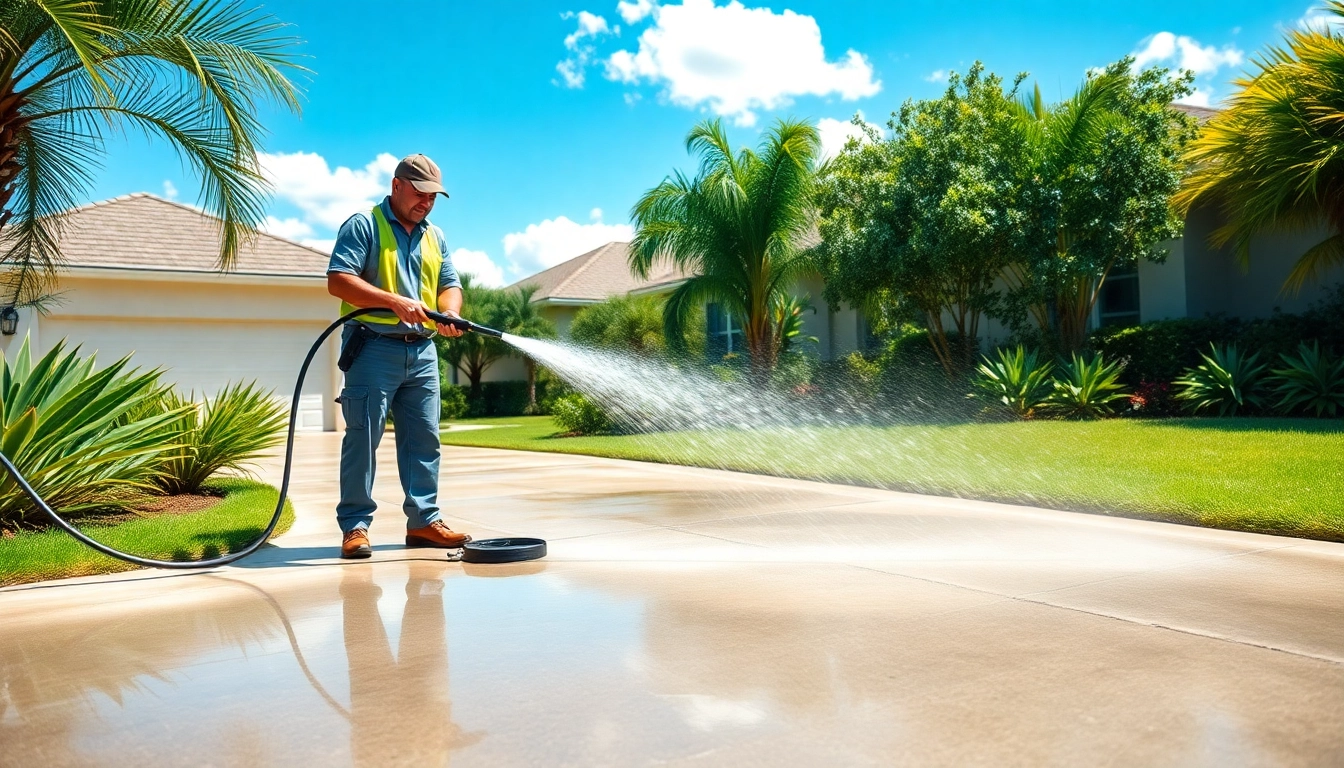
Understanding Driveway Pressure Washing
Keeping your driveway in pristine condition can significantly enhance your home's curb appeal and overall value. Driveway pressure washing is an effective way to achieve this by removing dirt, stains, and grime that accumulate over time. It not only refreshes the surface but also helps to maintain the longevity of the materials used in your driveway. When exploring options, Driveway pressure wash services can provide comprehensive insights and solutions tailored to your needs.
What Is Driveway Pressure Wash?
Driveway pressure washing involves using high-pressure water jets to clean the surface of driveways made from various materials such as concrete, asphalt, or pavers. The process effectively eliminates stubborn stains, oil spots, mold, mildew, and other contaminants that standard cleaning methods might not address. The technique is particularly beneficial for maintaining the aesthetic appeal and safety of the driveway, preventing hazardous slips and falls caused by slippery algae or moss.
Benefits of Professional Pressure Washing
- Enhanced Curb Appeal: A clean driveway significantly improves the overall appearance of your property, impressing visitors and potential buyers.
- Prevention of Damage: Regular pressure washing removes harmful substances that can degrade the driveway material over time, prolonging its lifespan.
- Health Benefits: By removing mold, mildew, and algae, pressure washing reduces allergens and creates a healthier environment for your family.
- Increased Property Value: A well-maintained driveway can enhance your property's market value, making it more appealing to prospective buyers.
Common Driveway Materials and Their Cleaning Needs
Understanding the type of materials used in your driveway can influence how you approach cleaning. Here are some common materials and their specific pressure-washing requirements:
- Concrete: Most durable but can stain easily. High-pressure cleaning is effective here, often supplemented with detergents for tough stains.
- Asphalt: More delicate than concrete. It requires lower pressure to avoid damaging the surface, along with special asphalt cleaners to protect oils.
- Pavers: Require gentle cleaning to avoid shifting. A combination of low pressure and soft washing methods is ideal.
Essential Equipment for Driveway Pressure Wash
Choosing the Right Pressure Washer
When selecting a pressure washer for driveway cleaning, it's essential to consider the machine's PSI (pounds per square inch) and GPM (gallons per minute). A pressure washer with a PSI of 2,500 to 3,000 and a minimum GPM of 2.5 is generally recommended for effective driveway cleaning. Gas-powered models tend to provide more power and are better suited for tougher jobs, while electric models are quieter and more eco-friendly for smaller tasks.
Additional Tools and Accessories
In addition to a pressure washer, several accessories can facilitate a more thorough and efficient cleaning:
- Surface Cleaner: Ideal for large, flat areas like driveways, surface cleaners help you achieve even cleaning without leaving streaks.
- Extension Wands: Allow you to reach difficult spots without straining, making the job easier and safer.
- Detergents and Cleaning Solutions: Using the right chemicals can enhance cleaning power, especially for oil stains and mildew.
Eco-Friendly Cleaning Solutions
For environmentally conscious homeowners, many eco-friendly pressure washing solutions are available that minimize chemical usage while effectively cleaning surfaces. These biodegradable cleaners are tough on dirt but safe for landscaping and local wildlife.
Step-by-Step Guide to Driveway Pressure Washing
Preparing the Driveway for Cleaning
Before you start pressure washing, it’s crucial to prepare the driveway:
- Clear the area of vehicles, furniture, and debris.
- Inspect the surface for cracks or damages to address any issues that may worsen during cleaning.
- Apply a pre-treatment solution to help break down stains, allowing it to sit for 10-15 minutes.
Techniques for Effective Pressure Washing
To achieve the best results when pressure washing your driveway, follow these techniques:
- Use Even Strokes: Move the pressure washer nozzle in a steady, overlapping motion to avoid missing spots and leaving streaks.
- Keep a Safe Distance: Maintain a distance of 12 to 18 inches between the nozzle and the surface to prevent damage.
- Adjust Pressure as Needed: If working on delicate materials like pavers, lower the pressure and use a wider spray pattern.
Post-Cleaning Maintenance Tips
After pressure washing, it's essential to maintain your driveway properly:
- Allow the surface to dry thoroughly before replacing any items.
- Seal the driveway regularly, especially for asphalt surfaces, to protect it from weather and stains.
- Schedule regular cleanings to prevent the accumulation of dirt and debris.
Safety Considerations When Pressure Washing Driveways
Personal Safety Gear and Precautions
Safety is paramount when operating a pressure washer. Ensure you wear appropriate gear, including:
- Safety goggles to protect your eyes from debris.
- Non-slip shoes to prevent accidents on wet surfaces.
- Gloves to protect your hands from high-pressure spray and chemicals.
Protecting Surrounding Areas
Before starting your pressure washing project, take steps to protect surrounding areas from potential damage:
- Cover nearby plants and flowers with tarps to shield them from chemicals and high-pressure water.
- Ensure windows and doors are closed to prevent water intrusion.
- Be mindful of any electrical outlets or fixtures nearby, keeping them dry and protected.
Common Mistakes to Avoid
To achieve the best results and avoid damage, steer clear of these common mistakes:
- Using too high of a pressure setting for delicate materials.
- Neglecting to pre-treat stains, which can lead to ineffective cleaning.
- Failing to test a small area first before proceeding with a full wash.
Frequently Asked Questions About Driveway Pressure Wash
How Often Should You Pressure Wash Your Driveway?
The frequency of driveway pressure washing largely depends on your location and usage. Generally, it’s recommended to wash your driveway at least once a year. However, if you notice stains, algae, or excessive dirt buildup, you should address these issues promptly to maintain the surface’s integrity and appearance.
Cost Factors for Driveway Pressure Washing Services
The cost of hiring a professional for driveway pressure washing can vary based on several factors, including:
- The size of the driveway.
- The type of materials used.
- The severity of stains and the required cleaning method.
On average, homeowners can expect to pay between $130 to $220 for driveway cleaning services, with prices potentially increasing for larger or more complex areas.
Can You DIY Driveway Pressure Wash Effectively?
While DIY pressure washing is possible, it requires careful consideration of equipment and technique. Homeowners should ensure they have the right pressure washer and accessories, as well as knowledge of effective cleaning methods to achieve satisfactory results. For particularly challenging stains or extensive areas, professional services may be a more efficient and effective solution.